
In today’s world, we are overwhelmed with countless choices. As ethical consumers, we must make wise decisions and choose to support only those brands and companies that practice ethical considerations.
It’s time to realize that the very definition of luxury is undergoing a significant transformation, and we must take responsibility for our choices and make a positive impact on the world. Traditionally, luxury has been synonymous with exclusivity, craftsmanship, and opulence—attributes that catered to a select few while often disregarding broader ethical considerations.
“It’s no longer good enough for a product to be exclusive and beautifully crafted; it must also be produced ethically and sustainably.”
Today, an enlightened consumer base is propelling a shift towards a new paradigm of luxury, one where sustainability and responsibility are as integral as the luxury experience itself. These consumers are not only seeking exceptional quality and exclusivity but also a commitment to ethical practices that respect people and the planet.
This transition marks a crucial moment in the luxury fashion industry, challenging long-held perceptions and setting the stage for a more sustainable and inclusive approach.
Luxury Redefined

The allure of luxury fashion has traditionally been built on rarity and a lavish aesthetic. However, this splendor often comes at a significant cost—not just financially but environmentally and socially as well. The luxury fashion industry has been historically linked with high levels of resource consumption, including the use of rare animal skins and other materials that require intensive labor and environmental resources. Additionally, the industry faces criticism for labor practices that sometimes fall short of ethically acceptable standards.
Acknowledging these concerns, the informed consumer of today is reevaluating what true luxury means. It’s no longer sufficient for a product to be exclusive and beautifully crafted; it must also be produced ethically and sustainably. The “true cost” of luxury, therefore, now incorporates the wellbeing of the environment and the people behind the products. This shift is pushing luxury brands to reconsider their supply chains, from the sourcing of materials to the rights of workers, ensuring that every aspect of their products is as impeccable as their craftsmanship.
The Power of Consumer Influence
In the world of luxury fashion, the power of consumer choice cannot be underestimated. Today’s discerning consumers are not merely purchasers but pivotal influencers who shape industry standards. By prioritizing sustainability, they encourage luxury brands to embrace circular fashion models, which prioritize longevity, reuse, and responsible sourcing.
Platforms like The RealReal and Vestiaire Collective exemplify this shift. These marketplaces have thrived by making pre-owned, high-quality luxury items accessible, thereby promoting a model where the lifecycle of fashion products is extended. This not only reduces waste but also challenges the notion that luxury items must be new to be desirable. By supporting such platforms, consumers demonstrate that luxury can maintain its allure through sustainability.
Consumer demand for transparency and ethical practices is compelling luxury brands to innovate. More brands are now highlighting their sustainability efforts, from reducing carbon footprints to sourcing materials ethically. The rise of certifications and standards for sustainability in luxury fashion further empowers consumers to make informed choices, ensuring their purchases align with their values.
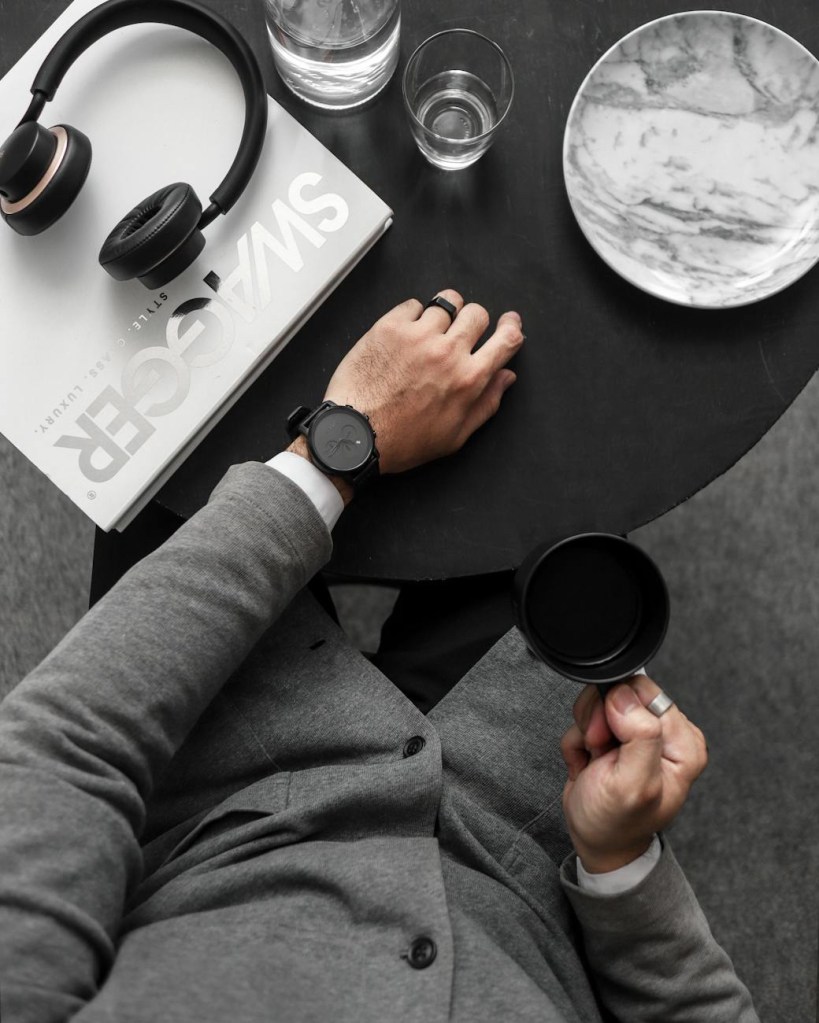
Ultimately, the shift towards sustainable luxury is a collective movement driven by individual actions. Every purchase made with sustainability in mind sends a strong message to the industry: the future of luxury must be responsible, ethical, and environmentally sound. As more consumers demand such standards, luxury brands have no choice but to prioritize these elements to remain relevant and respected in the marketplace.
Luxury Brands and Sustainability
The integration of sustainability into luxury fashion represents not just an adaptation but a profound redefinition of what it means to be truly luxurious. This new definition emphasizes that luxury is not solely about the rarity and craftsmanship of an item, but also its environmental and social impact. Sustainable luxury is about creating a legacy—products that are timeless and can be cherished for generations, not just seasons.
Circular fashion is at the heart of this transformation. This approach focuses on creating a system where products are designed with their eventual reuse, recycling, or upcycling in mind. Such practices ensure that luxury items are durable and can have multiple lifecycles, which significantly reduces their environmental footprint. Brands that adopt this model are seen not only as trendsetters but as responsible leaders advocating for a more sustainable future.
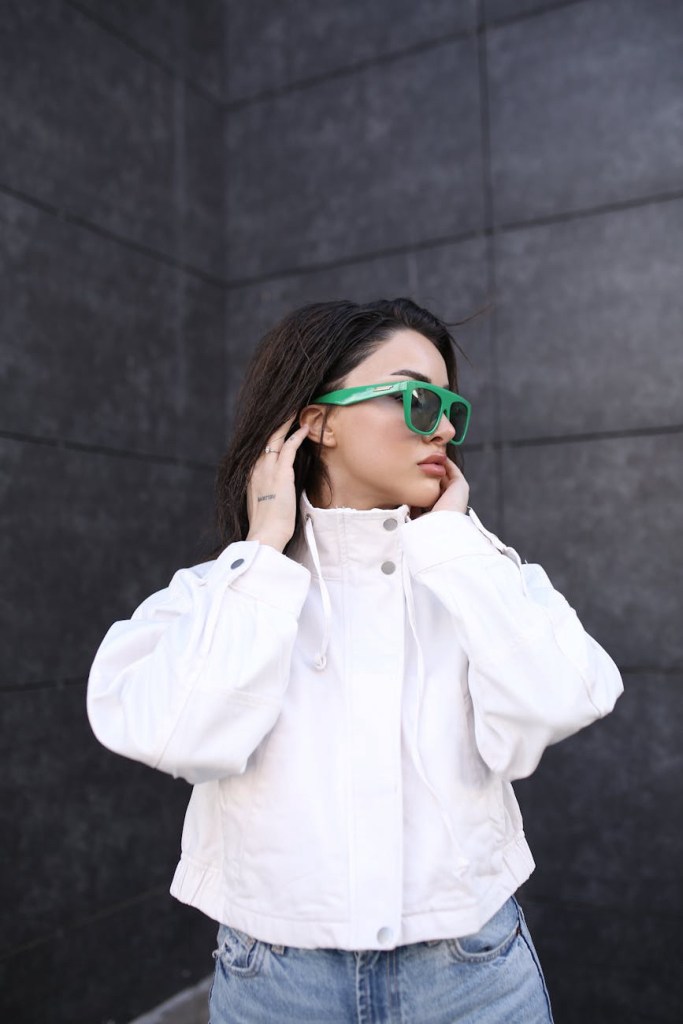
Moreover, the luxury sector is uniquely positioned to lead by example in sustainability. Due to their influence and resources, luxury brands can invest in innovative materials and processes that minimize waste and reduce environmental impact. For instance, using biodegradable fabrics or harnessing energy from renewable sources during production can set new industry standards.
The call to redefine luxury is a challenge to the status quo. It invites brands and consumers alike to reconsider the values that underpin their purchases—shifting from a culture of excess to one of mindfulness. As this culture grows, consumers increasingly view sustainable practices not as optional extras but as integral to the luxury experience.
The Role of Technology and Innovation
Technology and innovation are catalyzing significant changes in the luxury fashion industry, driving it towards greater sustainability. Advanced technologies enable brands to minimize waste and reduce their environmental impact through smarter manufacturing processes and materials. For instance, 3D printing technology allows for precise production of parts and patterns, reducing material waste traditionally seen in cutting and assembly processes.
Innovative materials also play a crucial role. Many luxury brands are now investing in alternative materials that mimic the properties of leather, silk, and other high-end materials but are produced with significantly lower environmental costs. These materials, such as lab-grown leather or recycled polyester, not only help preserve natural resources but also offer new aesthetic possibilities for designers.
Furthermore, blockchain technology is becoming increasingly important in ensuring transparency and traceability in the supply chain. Consumers can use this technology to verify the origin of materials and the ethical standards of the labor used in the production of their luxury goods, empowering them to make informed decisions.

These technological advancements not only enhance the sustainability of luxury fashion but also ensure that the industry can continue to offer high-quality, innovative products without compromising ethical standards.
As an informed consumer, your choices have the power to shape the future of luxury fashion. Embrace this responsibility by choosing brands that prioritize sustainability and ethical practices. Look for transparency in sourcing, manufacturing, and labor conditions, and support businesses that are not only about profit but also about positive impact.
Encourage others in your network to rethink their consumption habits, highlighting the importance of quality over quantity and the long-term benefits of investing in sustainable luxury. Advocate for change by demanding higher standards from your favorite brands and by promoting policies that favor environmental and social responsibility.
Your voice and actions are critical in driving the evolution of the luxury fashion industry towards a more sustainable and equitable future. Lead by example, and let your legacy be defined not just by the luxury you choose but by the values you uphold.

 Leralara
Leave a comment